Optimal Timing for Tree Removals
Understanding the optimal timing for tree removals is essential for safety and health considerations. The timing depends on various factors including the tree species, local climate conditions, and specific reasons for removal.
Winter is often considered the best time for tree removals because trees are dormant, making it easier to assess the structure and reducing the risk of pests spreading.
Removals during spring and summer can interfere with the tree's growth cycle and may increase the risk of disease transmission. However, certain urgent removals may be necessary regardless of the season.
Fall can be suitable for tree removal when the tree has entered dormancy, but weather conditions such as rain and wind can pose challenges.
Adverse weather conditions like storms or heavy rain can delay or complicate tree removal procedures, making season and weather considerations crucial.
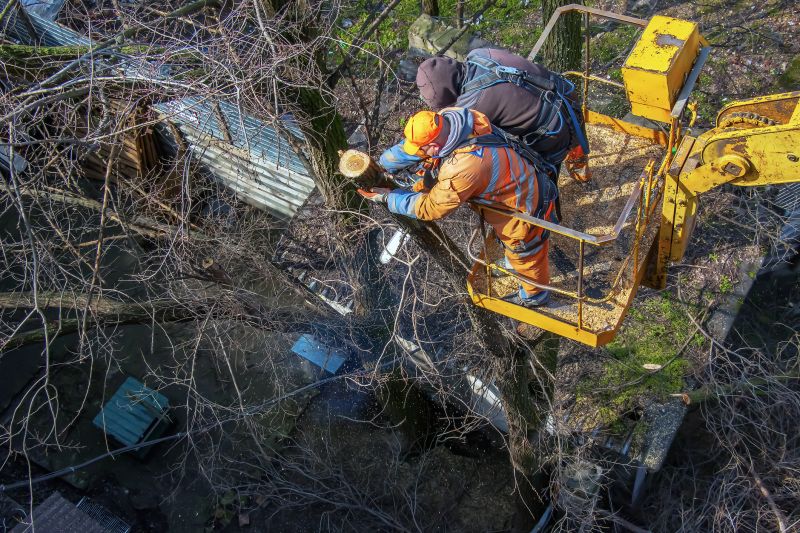
Specialized equipment is used for safe removal during dormant seasons.
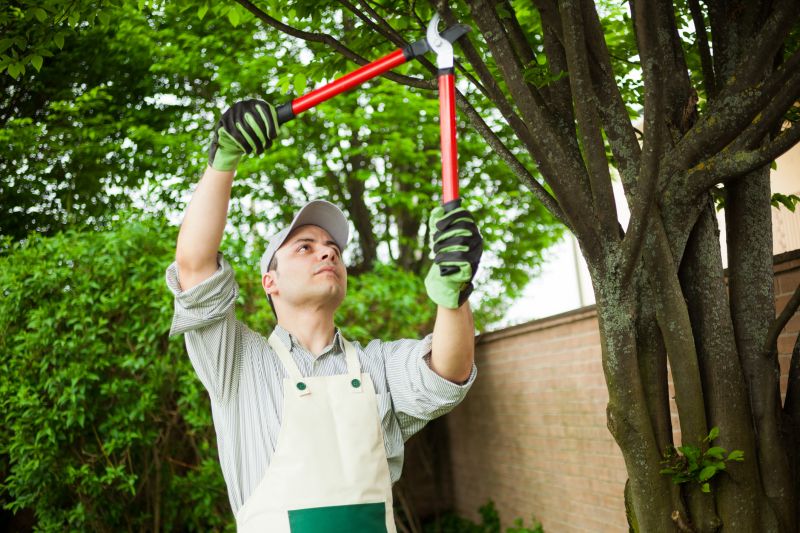
Spring pruning prepares trees for removal if needed later.
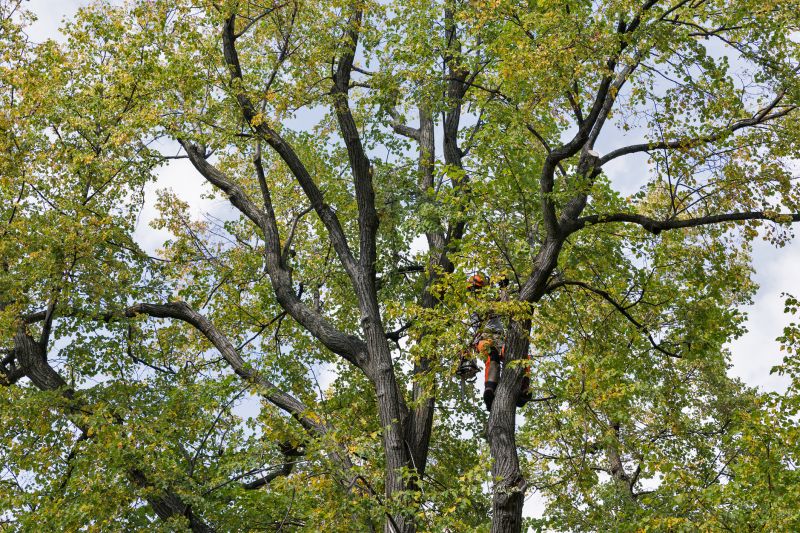
Autumn offers optimal conditions for safe tree felling.
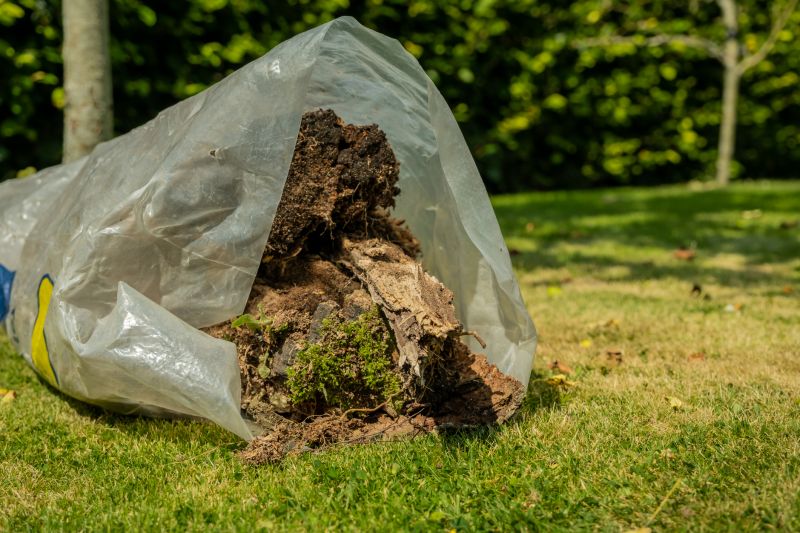
Ways to make Tree Removals work in tight or awkward layouts.
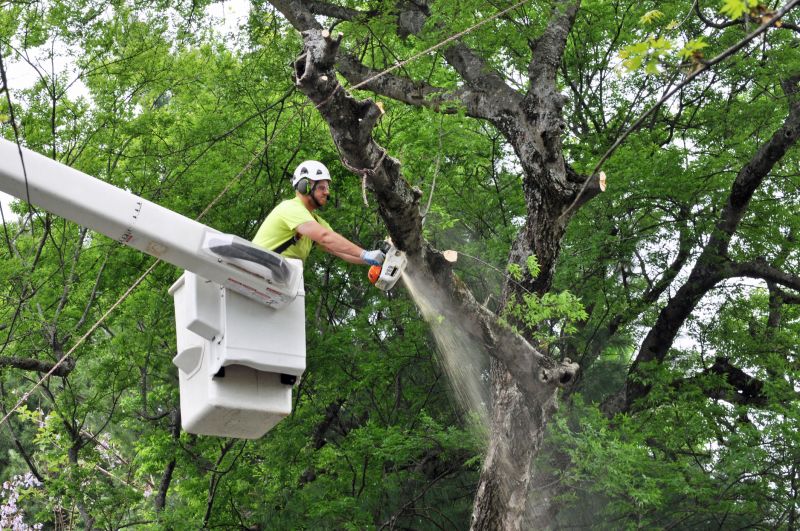
Popular materials for Tree Removals and why they hold up over time.
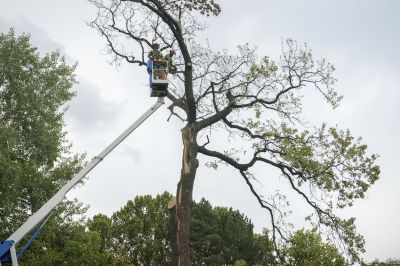
Simple add-ons that improve Tree Removals without blowing the budget.
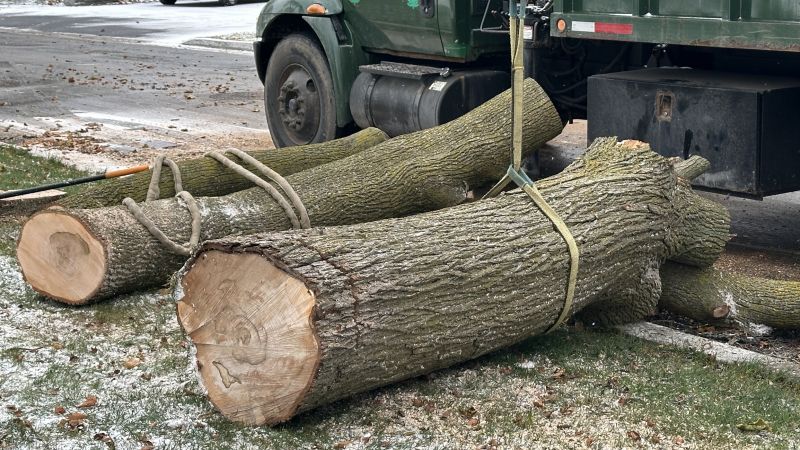
High-end options that actually feel worth it for Tree Removals.
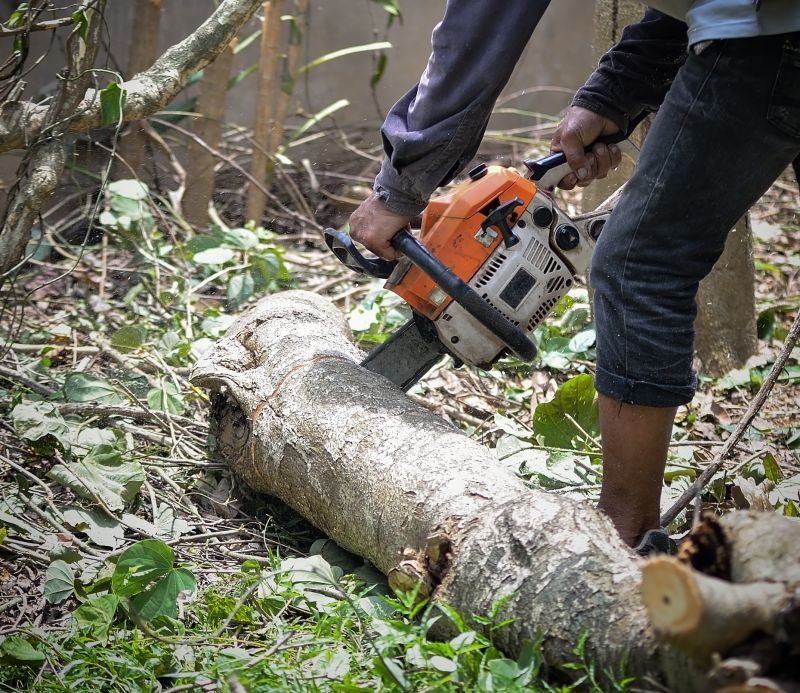
Finishes and colors that play nicely with Tree Removals.
| Season | Optimal for Tree Removals |
|---|---|
| Winter | Yes |
| Spring | Depends on urgency |
| Summer | Less ideal unless urgent |
| Fall | Yes, if weather permits |
Tree removals require careful planning to ensure safety and minimize impact on surrounding landscapes. The dormant season, typically winter, allows for easier access and reduces the risk of pest spread. Proper timing also helps in assessing the tree's health and structural integrity without the influence of seasonal foliage.
Statistics indicate that most tree removals are performed during late fall and winter months, aligning with the period when trees are leafless and less active. This timing facilitates safer and more efficient removal processes. Additionally, seasonal considerations can influence the cost and logistics of the operation.
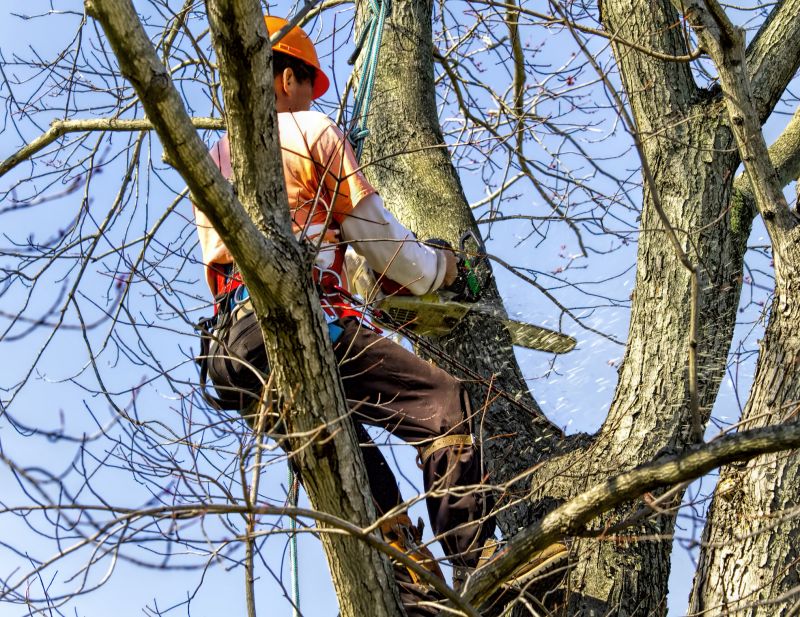
Snow-covered trees require specialized techniques for safe removal.
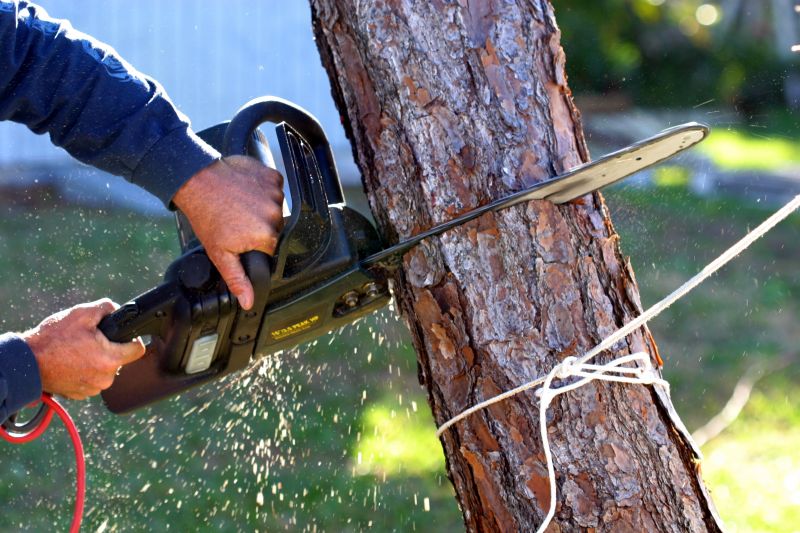
Fallen leaves signal the best time for scheduled removals.
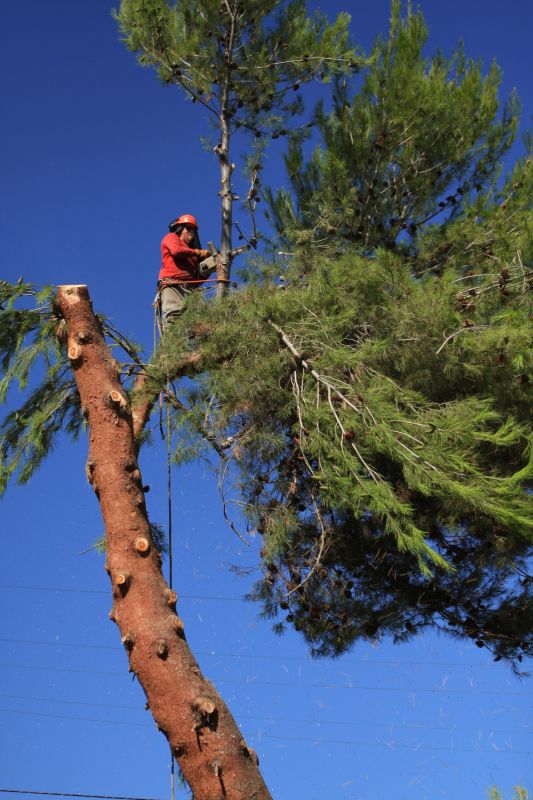
Equipment designed for winter conditions ensures safety.
Assessing trees in spring helps determine removal needs.
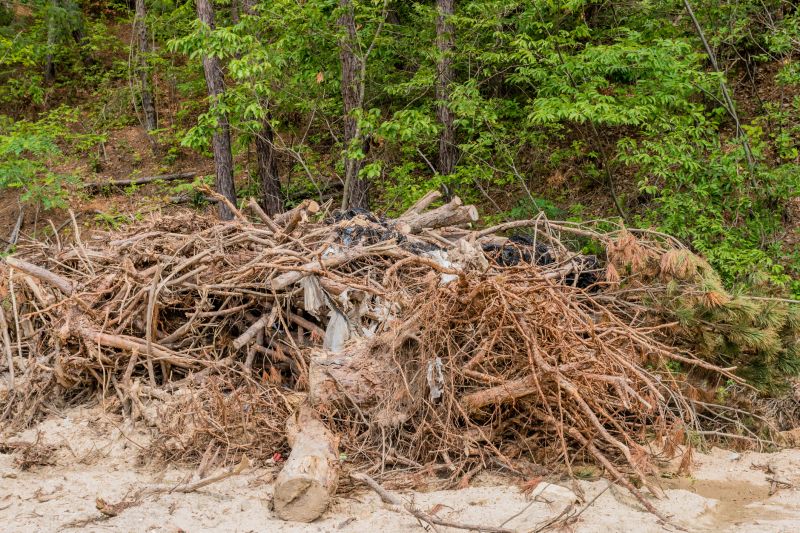
A 60-second routine that keeps Tree Removals looking new.
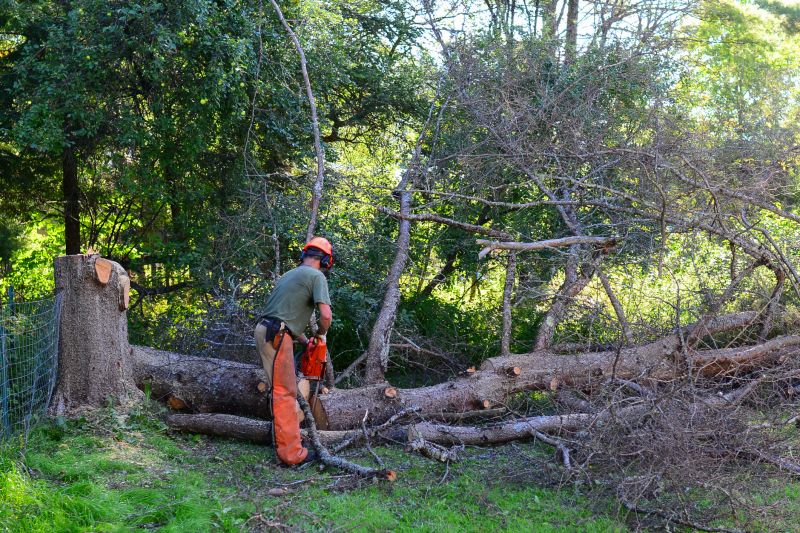
A frequent mistake in Tree Removals and how to dodge it.
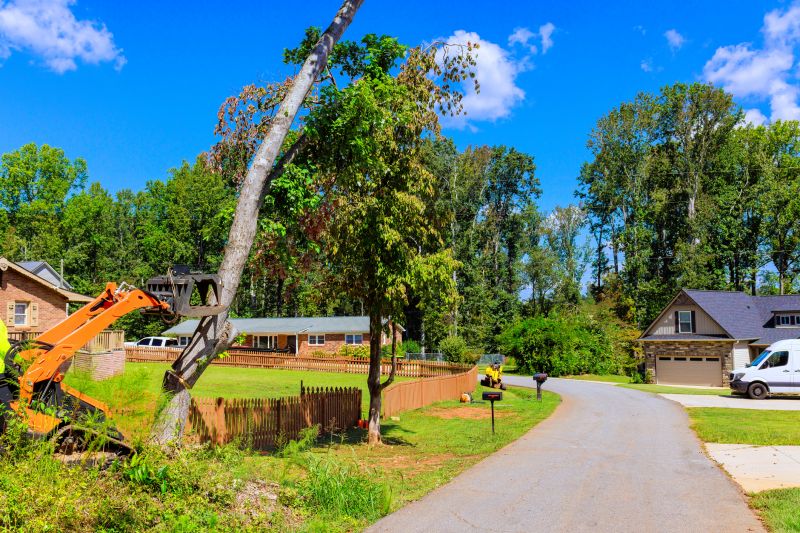
Small tweaks to make Tree Removals safer and easier to use.
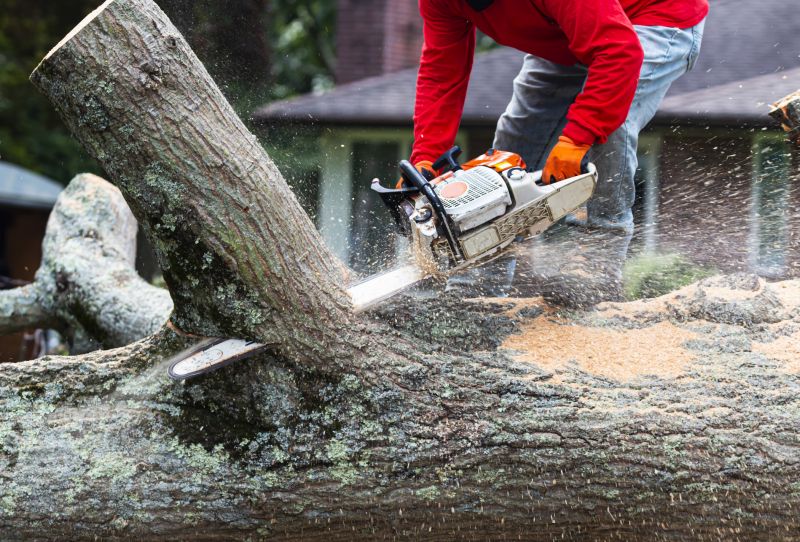
Lower-waste or water-saving choices for Tree Removals.
Interested parties are encouraged to contact for further information or to schedule a consultation. Proper timing and planning are crucial for effective and safe tree removal services.